Saudi Arabia’s Growing Medical Equipment and Healthcare Technology Market
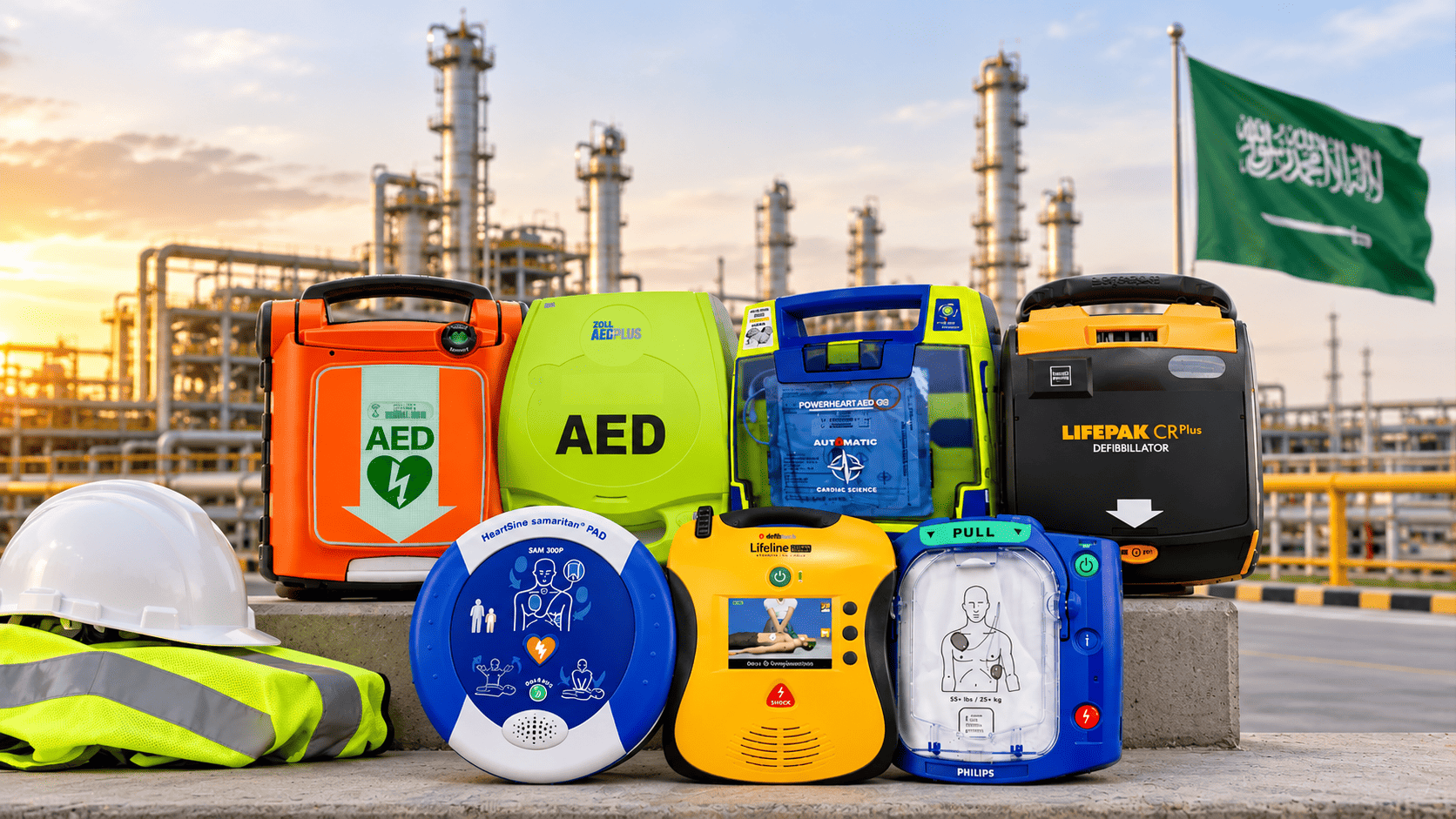
Saudi Arabia is investing in its healthcare system, and the equipment that keeps hospitals, clinics and public places ready for medical emergencies is part of that story. In a cardiac emergency, few things save more time than having the right device already on site, charged, in date and in the hands of trained people.
This guide explains why demand for medical equipment is growing in the Kingdom, where it is needed, how to choose between common device types, and what to check before you buy. It also links to relevant products from Hamid Safety.
Why Demand for Medical Equipment Is Rising?
The Health Sector Transformation Program is one of the Vision Realization Programs under Saudi Vision 2030. According to the Vision 2030 website, its focus includes improving access to healthcare, modernising facilities and equipment, and strengthening private sector investment.
As facilities are upgraded and services expand, more devices are needed to monitor patients, respond to emergencies and train staff. Emergency equipment also matters well outside hospitals: in workplaces, hotels, transport hubs and public venues, the first people to respond are often staff who are not clinicians.
Where Medical Equipment Is Needed?
| Setting | What Matters Most | Equipment to Consider |
|---|---|---|
| Hospitals and Emergency Departments | Patient monitoring and manual defibrillation for trained clinicians | Zoll X Series, LIFEPAK 15, Philips HeartStart MRx |
| Clinics and Wards | AEDs near treatment areas, plus everyday examination tools | Zoll AED 3, Philips HeartStart FRx, 3M Littmann Classic III Stethoscope |
| Workplaces and Industrial Sites | Simple AEDs that non-clinical staff can use | LIFEPAK CR2, HeartSine Samaritan PAD 350P, Cardiac Science Powerheart G5 Plus |
| Hotels, Shopping Areas, Sports Venues and Transport Hubs | Visible, easy-to-use AEDs and staff who know where they are | Mindray Beneheart C2, Philips HeartStart OnSite HS1 |
| First Aid and CPR Training | Practice devices for drills | Mindray Beneheart C1A AED Trainer Kit, Heart Guardian HR-501T AED Trainer |

Why Early Defibrillation Matters?
Cardiac emergency care is often described as a chain of steps: recognising the emergency and calling for help, starting CPR, using a defibrillator as early as possible, and handing over to advanced care. A defibrillator on site shortens the time to the third step. That is why where you place the device, and how quickly someone can reach it, matters as much as which model you buy.
AEDs or Monitor-Defibrillators?
The two device types serve different users, so the choice depends on who will use the device and where.
AED Defibrillators
Analyse the heart rhythm and deliver a shock only when one is needed, with voice prompts that guide the responder. That makes them suitable for corridors, reception areas, waiting rooms, offices and other places where staff may not be clinicians.
Monitor-Defibrillators
Add patient monitoring and, depending on the model, manual control for trained clinical staff. They suit emergency departments, wards, intensive care areas and ambulances. Features differ between models, so check each one against the manufacturer’s documentation.

What to Look for When Choosing an AED?
- Ease of use. Clear voice prompts and simple operation matter most when the person using it has never done so before.
- Children. Some models use separate paediatric pads or a child key, so check what your model needs and keep the right accessory with it.
- Language. Check which languages the device’s voice prompts support.
- Running costs. Pads and batteries expire and must be replaced, so ask about their life and cost.
- Where it will be kept. Check the manufacturer’s temperature and environment range against the place you plan to store it.
- Self-checks and records. Look at how the device shows its readiness, and whether it stores data you may need.
- Support. Confirm that pads, batteries and servicing will be available for your model.
Accessories, Training Devices and Upkeep
A defibrillator is only useful if it is ready when needed.
Pads And Batteries
These are specific to each model. Examples include the ZOLL AED 3 CPR Uni-Padz and ZOLL AED 3 Battery, or the LIFEPAK CR2 pads and LIFEPAK CR2 battery.
Paediatric Accessories
For example, the Philips FRx Child Infant Replacement Key or ZOLL Pedi-Padz II.
Service
Hamid Safety offers an AED calibration service, and our site also mentions repair and calibration support for medical equipment.
Building a Simple Emergency Response Plan
- Identify where people are at risk. Think about areas with many people, areas far from clinical help, and places where staff work alone.
- Place devices where they can be reached quickly. Keep them visible, clearly signed and not locked away.
- Train your staff. Make sure people know where the device is, how to call for help and how to start CPR and use the defibrillator.
- Assign one person to check each device. Record the checks and the expiry dates of pads and batteries, and keep spares.
- Run drills. Practice with trainer devices builds confidence.
- Review after any use. Replace used pads, check the device and record what happened.
Regulation: Check Before You Buy
Medical devices in Saudi Arabia are regulated by the Saudi Food and Drug Authority (SFDA). Its requirements document, MDS-REQ 1, states that a medical device may be made available in the Kingdom only if it is registered with the SFDA and holds a medical device marketing authorization (MDMA). Requirements are updated from time to time, so always check the SFDA’s current documents.
Hamid Safety is a Dubai-based supplier. Our site lists delivery to Saudi cities including Riyadh, Jeddah and Dammam, but regulatory status depends on the specific product, so please confirm it with our team and with the SFDA before ordering any medical device for use in the Kingdom.
Buying Checklist
Before you place an order, check the following:
- The SFDA registration status of the exact model, and who provides support in the Kingdom
- Whether pads, batteries and other consumables are available for that model
- Whether service, calibration and repair support are available
- Whether the device suits the people who will use it, whether lay responders or clinicians
- Delivery terms, including duties and taxes, and the documentation you will receive
- Training options for your staff
Buy Medical Equipment from Hamid Safety
Hamid Safety supplies AED defibrillators, monitor-defibrillators, AED accessories and related medical and safety equipment from leading brands. Tell us your facility type, the number of devices you need and the models you are considering, and we will advise on options and availability.